Beyond Spaghetti & Meatballs: Discover Authentic Polpette Secrets
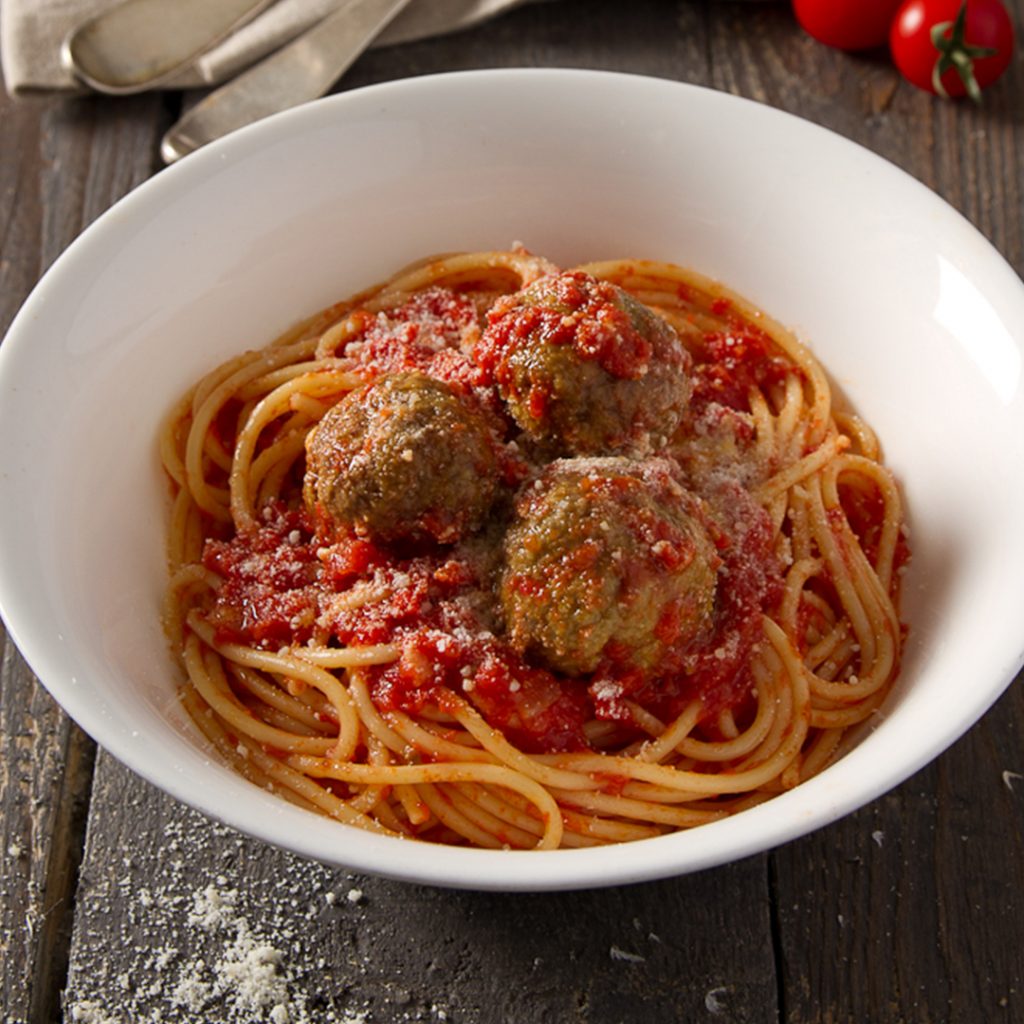
When you hear "italian meatballs," your mind likely conjures images of simmering tomato sauce piled high on a mountain of spaghetti. While undeniably delicious and a beloved comfort food, this iconic dish actually holds a secret: it’s an American-Italian invention! True to its roots, Italy boasts its own delightful version, known as Polpette, which are far more versatile and offer a distinct culinary experience. Prepare to embark on a flavour journey that transcends the familiar and uncovers the genuine artistry behind authentic italian meatballs.
The allure of homemade meatballs isn't just in their taste; it's in the process, the aroma that fills your kitchen, and the comforting satisfaction they bring to any meal. But what truly elevates a good meatball to an extraordinary one? It’s often the subtle techniques and hidden ingredients passed down through generations. In this comprehensive guide, we'll dive deep into the secrets that make Polpette exceptionally soft, incredibly juicy, and bursting with authentic Italian flavour – including a game-changing ingredient that sets them apart.
The Heart of True Italian Meatballs: Polpette Demystified
Let's clear the air: if you travel to Italy and ask for "Spaghetti and Meatballs," you might be met with a polite, if confused, smile. In Italy, meatballs are known as Polpette (singular: Polpetta), and their culinary role is often quite different from their American counterpart. While the core ingredients often share similarities—ground meat, cheese, herbs, and bread—the size, serving style, and overall presentation distinguish them significantly.
- Size Matters: Authentic Italian Polpette are typically larger, often about the size of a golf ball or even slightly larger. This generous size contributes to their succulent interior and satisfying bite. The focus is on a substantial, flavourful orb of meat.
- Serving Traditions: Instead of being drowned in sauce and served over pasta as a primary component, Polpette are commonly enjoyed in a variety of ways. They might appear as an appetizer (antipasto), simmered gently in a light tomato sauce and served with crusty bread for dipping, or even as a standalone main course alongside vegetables or a fresh salad. Sometimes, smaller Polpettine are used in broths or soups, showcasing their versatility. The emphasis is on the meatball itself, not merely as a sauce accompaniment.
- Cultural Adaptation: The "Spaghetti and Meatballs" dish, while not traditionally Italian, is a testament to culinary evolution and adaptation. Just as other cultures have embraced and reinterpreted classic dishes—think Chicken Tikka Masala in the UK or Beef and Broccoli in the US—the American-Italian meatball has carved its own beloved niche. There's no shame in loving it, but understanding the original traditions enriches our appreciation for both versions.
Embracing the world of Polpette means appreciating the nuanced ways they contribute to a meal, offering a taste of genuine Italian home cooking. The goal is to create meatballs that are so tender and flavourful, they can truly stand on their own.
The Game-Changing Secret to Ultra-Juicy Italian Meatballs
The quest for perfectly tender and incredibly juicy italian meatballs often leads to a common dilemma: how to keep them from becoming dense or dry. Many recipes call for breadcrumbs, but here’s where a profound secret lies, one that Italians have practiced for generations: using soaked bread, not dry breadcrumbs. And for an unparalleled flavour boost, we’re going to introduce a revolutionary twist: grated onion.
Traditional Italian cooks often soak stale bread in milk to create a panade, which is then mixed into the meat. This simple step is transformative. The bread absorbs the liquid and then, when cooked, puffs up, creating tiny air pockets within the meatball. These pockets are the key to an exquisitely soft, melt-in-your-mouth texture that ordinary dry breadcrumbs simply can't achieve. Dry breadcrumbs, in fact, can often lead to tougher meatballs and a denser consistency, whereas soaked bread contributes to a lighter, more ethereal feel.
Now, let's elevate this technique with the genius of grated onion. Imagine extracting not just moisture, but intense savoury flavour directly into your meatball mixture, all while achieving that coveted tenderness. Here's why this method is a game-changer:
- Unbeatable Flavour Base: Onions are the foundation of flavour in countless culinary traditions. By grating the onion, you rupture its cells, releasing its potent juices and inherent sweetness directly into your bread. This creates an incredibly rich and savoury flavour profile that infuses every bite of your meatball without needing to sauté an onion separately. It’s an instant umami boost.
- Optimised Moisture Balance: Instead of soaking bread in plain milk or water, using the juicy grated onion ensures that the liquid introduced to the meat mixture is flavour-packed and perfectly balanced. This prevents diluting the overall taste while providing ample moisture, ensuring your meatballs remain juicy from the inside out.
- Efficiency and Convenience:
- No Pre-Cooking Necessary: Forget the extra step of finely dicing and sautéing onions until golden. Grating them eliminates this entirely, saving you precious time and effort in the kitchen.
- No Raw Onion Chunks: Dicing raw onion, unless incredibly fine, can leave you with discernible, crunchy bits in your meatballs, or require longer cooking times that risk overcooking the meat. Grated onion seamlessly disappears into the mixture, providing flavour without the unwanted texture.
- Effortless Preparation: While grating onions might make your eyes water (a pair of goggles can be a lifesaver for the sensitive!), it’s far less precise and time-consuming than meticulous fine dicing, simplifying the prep significantly.
This method doesn't just promise soft meatballs; it guarantees an explosion of flavour that will make your Polpette truly unforgettable. For an even deeper dive into this revolutionary technique, check out our guide on Unlock Ultra-Soft Italian Meatballs: The Grated Onion Secret.
Crafting Your Perfect Polpette: Beyond the Mix
Creating magnificent italian meatballs extends beyond the secret ingredients. It encompasses careful selection, gentle handling, and smart cooking techniques.
Choosing Your Ingredients Wisely
- The Meat: While ground beef is common, many Italian cooks prefer a blend for optimal flavour and texture. A combination of ground beef (typically 80/20 lean-to-fat ratio for juiciness) and ground pork, or even a touch of veal, can create a more complex and tender meatball. High-quality, fresh meat is paramount for the best results.
- The Binder & Flavour Boosters: Beyond the soaked bread and grated onion, fresh Parmesan or Pecorino Romano cheese adds a salty, umami depth that is quintessential Italian. Fresh herbs like finely chopped parsley are a must, along with minced garlic, and perhaps a pinch of dried oregano or basil. Don't forget salt and freshly ground black pepper, adjusting to your taste.
The Art of Mixing and Rolling
The temptation might be to vigorously mix all your ingredients, but with meatballs, a gentle touch is key. Overmixing develops the proteins in the meat, leading to a tough, rubbery texture. Mix just until everything is combined, using your hands to gently incorporate the ingredients without compacting them.
When it comes to rolling, many of us wish for a magical device to produce perfectly uniform spheres. Until that invention arrives, here are some tips for efficient hand-rolling:
- Consistent Size: Aim for consistently sized meatballs. This ensures they cook evenly, preventing some from being overcooked while others are still rare. A small ice cream scoop or a kitchen scale can help with precise portioning.
- Light Hand: Don't press too hard when rolling. A light, delicate touch will help maintain that tender texture and prevent them from becoming dense.
- Moist Hands: Slightly dampening your hands can prevent the meat mixture from sticking, making rolling easier and cleaner, resulting in smoother meatballs.
Cooking Methods: Baking for Perfection
While frying gives a quick sear and delicious crust, baking offers a hands-off, healthier, and often more consistent way to cook your italian meatballs, especially when you want them to retain a beautiful, rounded shape without constant supervision.
- The Rack Advantage: For optimal results, bake your meatballs on a wire rack placed over a baking tray. This strategic setup allows hot air to circulate all around each meatball, ensuring even cooking on all sides and helping to maintain a wonderfully round base, preventing one side from flattening.
- Oil for Golden Goodness: Generously spray both the rack and the meatballs themselves with olive oil. This promotes a beautiful golden-brown exterior and adds another layer of flavour, contributing to that desirable crust without deep-frying.
- Temperature and Time: Preheat your oven to a consistent 200°C (400°F). Bake for approximately 20 minutes, or until the meatballs are thoroughly cooked through and golden brown. The internal temperature should reach 71°C (160°F) for safety and optimal texture.
Serving Your Authentic Italian Meatballs (Polpette)
Once your exquisite Polpette are ready, the possibilities for serving are as rich and varied as their flavour. Remembering their traditional role in Italian cuisine opens up a world of delightful pairings that go far beyond just pasta.
- The Traditional Way: Serve your Polpette simply, perhaps nestled in a light, fresh tomato sauce on the side, accompanied by plenty of crusty Italian bread to soak up every last drop. A sprinkle of fresh basil or parsley adds a vibrant, aromatic finish. This truly allows the flavour and texture of the meatball to shine as the star of the plate.
- Versatile Creations:
- On a Sub: Pile them high on a toasted crusty roll with melted provolone or mozzarella for an ultimate, satisfying meatball sub sandwich.
- With Pasta (The Modern Twist): While not strictly traditional, serving these tender meatballs with your favourite pasta and a robust marinara sauce is undeniably delicious and a beloved modern interpretation.
- Fresh Salad Topping: For a lighter meal, slice the meatballs and serve them atop a fresh, crisp green salad with a light vinaigrette. They add a wonderful protein punch and flavour.
- Appetizer Delight: Serve smaller Polpettine with toothpicks as an elegant and flavourful appetizer for gatherings or parties.
These versatile italian meatballs are perfect for any occasion. They’re a fantastic choice for a cozy family dinner, a casual pasta night, or even as an impressive dish for entertaining. Their undeniable appeal makes them a hit with both kids and adults, even the pickiest of eaters, ensuring an empty plate every time!
What's more, with just about 25 minutes of hands-on prep time, these authentic Italian meatballs can seamlessly fit into your busy weeknight routine, proving that gourmet flavour doesn't always demand hours in the kitchen. For a recipe that marries speed with deliciousness, explore our insights on Minute Classic Italian Meatballs: Perfect for Any Meal.
Conclusion: Embrace the Authentic Taste of Italy
From understanding the cultural nuances of Polpette versus "Spaghetti and Meatballs" to mastering the game-changing technique of grated onion and soaked bread, you've now unlocked the secrets to creating truly authentic and incredibly delicious italian meatballs. This journey beyond the familiar allows us to appreciate the subtle art of Italian cooking—where simple, high-quality ingredients, combined with time-honored techniques, yield extraordinary results. So, roll up your sleeves, embrace these secrets, and prepare to delight your taste buds and impress your loved ones with the unparalleled flavour and tenderness of homemade Italian Polpette. Buon appetito!
